
The Culture Advantage: Building Teams That Stay and Win
Every organization has a culture, whether by default or by design.
There are hundreds of definitions for culture, but I still like Marvin Bower’s from 50 years ago: Culture is how we do things around here.
Seen through that lens, culture shows up in how people talk to each other, how decisions get made, and how problems are solved, especially when no one’s watching.
Company culture quietly drives retention and performance. When its healthy, people stay and perform at their best. But when there is a cultural breakdown, your best people will leave.
This article looks at what happens when culture fails, what it costs, and what leaders can do to build stronger, more connected workplaces, places where people want to stay, grow, and contribute.
The Real Cost of Turnover
Gallup estimates that voluntary turnover costs U.S. businesses about one trillion dollars a year. The Society for Human Resource Management (SHRM) and the Work Institute report that replacing an employee costs between 50% and 200% of their salary, depending on the role’s complexity.
Across the broader economy, the total impact adds up fast. A study from the Equitable Growth Institute found that on average, turnover costs 23% of annual wages across industries. For a manager earning $80,000, that’s about $18,000 in recruiting, onboarding, and lost productivity.
But the real loss is momentum. When a high-performing employee leaves, a team loses experience, expertise, and relationships. Projects slow down, and energy in the office decreases.
Reducing turnover starts with culture. A strong culture helps people feel valued, capable, and supported, conditions that make them want to stay.

Photo by designer491 (Getty Images)
From Culture Fit to Culture Contribution
Hiring shapes culture more than any other decision leaders make, yet many still hire for “culture fit.” It sounds straightforward and smart—find people who share the company’s values. To be sure, value alignment is critically important, but hiring for the ever-elusive “fit” often leads to sameness. Teams start thinking the same way, solving problems the same way, and miss opportunities to innovate.
High-performing organizations hire for what I call culture contribution. They ask, “What fresh perspective will this person bring?” and, “How will they challenge the status quo and raise the standard for everyone else?”
Here’s what this can look like in real life:
- A marketing team brings in a social media strategist from a nonprofit who’s used to doing more with less. Her resourcefulness pushes the team to question waste and rethink priorities.
- A veterinary practice hires a technician from outside the pet industry who brings a hospitality mindset. Within weeks, client satisfaction scores rise because she treats every client like a guest.
- A product development director promotes a mid-level engineer who keeps asking, “Why?” His questions uncover weak assumptions and lead to better design decisions.
- A retail company brings on a store manager who introduces open-book meetings. Once employees understand how the business makes money, they start offering cost-saving ideas.
Culture fit maintains comfort. Culture contribution builds strength.
When leaders hire for contribution, they send a message that curiosity, courage, and constructive challenges are valued. Over time, that message shapes a culture where people feel trusted to think, speak up, and make things better.
Why People Stay
People stay when their work meets three universal psychological needs—autonomy, competence, and connectedness. Sometimes these are referred to as psychological nutrients, since just like biological nutrients, these too must be “consumed” daily.
Psychologists Edward Deci and Richard Ryan identified these needs decades ago through their research on Self-Determination Theory. Their work showed that people perform at their best when they feel trusted, capable, and part of something larger than themselves.
When those conditions exist, people bring energy and focus. When they don’t, even top talent drifts away.
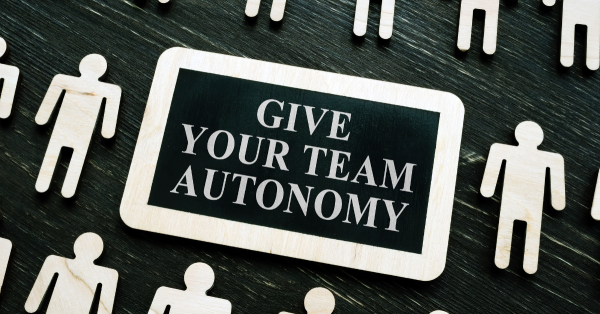
Photo by designer491 (Getty Images)
Autonomy: Trust People to Own Their Work
Autonomy is the freedom to make meaningful choices about how work gets done. It’s not chaos. It’s trust, paired with accountability.
When people experience autonomy, they hold themselves accountable because they feel ownership. They stop waiting for permission and start improving what they touch. They move from being renters to owners.
Here are a few examples:
- A customer service rep has the authority to resolve a client issue without waiting for approval.
- A nurse structures her shift to give patients continuity of care.
- A designer chooses which prototype to test next based on the data, not hierarchy.
When leaders make space for self-initiative, people take pride in their work, and pride leads to commitment.
Competence: Help People Get Better Every Day
People want to get better at what they do. Improvement just feels good, but it also builds confidence, and confidence builds capability and commitment.
Developing competence is about learning in the flow of work—through feedback, reflection, and stretch.
Examples from our work with clients:
- A logistics team ends each shift with a short huddle to share what worked and what didn’t.
- A sales leader spends ten minutes a week helping each person build one new skill.
- A manufacturer rotates employees across production lines so they gain new experience.
- A manager sets stretch goals that push people just past their comfort zone—not to stress them, but to strengthen them.
Growth builds pride. When people see progress, they take initiative, own their results, and push themselves to improve.

Photo by Mikhail Nilov (Pexels)
Connectedness: Create a Supportive Environment
People stay where they feel connected. But connectedness goes beyond belonging. It’s the ability to give and receive support—to know that help is available and that your contribution matters.
When connectedness is strong, people don’t feel alone. They share ideas, ask for help early, and step in for each other. That’s how trust spreads.
Belonging grows from that foundation—the feeling that comes when support moves in both directions.
Examples in practice:
- A manager begins one-on-ones by asking, “What’s going well for you?” and, “Where could you use support?”
- A company builds a peer recognition wall where employees post thank-yous for help and collaboration.
- A senior leader walks the floor asking, “What’s making your job easier? What’s getting in the way?” and then follows up.
Connectedness builds resilience. When people can rely on one another, they recover faster and stay engaged longer. Connection turns work into community.
The Leadership Factor
At BSM Partners, we’ve worked with hundreds of organizations across a range of industries, including manufacturing, retail, professional services, oil and gas, pet care, and veterinary medicine. I wish I could say otherwise, but the old adage still holds: people don’t leave organizations, they leave managers.
Leaders define how culture feels day to day. Their actions set the tone for what’s rewarded, tolerated, or ignored. Most are promoted because they excel at the work itself, not because they’re ready to lead. The shift from doing to leading requires a different mindset.
Effective leaders create conditions for employees to flourish. They consistently empower and develop their people.
These are five leadership skills that we find matter most:
- Coaching and feedback: Great leaders give feedback that builds confidence and direction instead of fear.
- Goal setting and accountability: Clear goals help people see what success looks like and how their work connects.
- Career conversations: People need to see a future. When today’s work links to tomorrow’s opportunities, commitment deepens.
- Empathy and listening: Understanding others’ perspectives earns trust and openness.
- Addressing conflict early: Avoiding tension lets frustration grow. Facing it quickly restores alignment.
When leaders demonstrate these behaviors consistently, culture is elevated, shaping how work gets done in positive ways.

Photo by PeopleImages (Getty Images)
Culture by Design
Culture doesn’t live in a handbook. It lives in what leaders reward, tolerate, and model every day.
Every choice strengthens or weakens it. Every conversation tells people what truly matters.
Ask yourself:
- What behaviors are we rewarding?
- What are we overlooking that quietly undermines trust?
- What small change this month would make our culture stronger?
Culture is a pattern, not just a project. It grows through daily habits, not annual initiatives. When leaders act with intention, culture becomes their advantage—the reason people stay and perform.
Where to Go from Here
Culture is how we do things around here, and it’s created by design or by default.
The question isn’t whether your organization has a culture. It’s whether you’re shaping it on purpose.
Notice what your culture rewards, ignores, or excuses. Then take one small step that builds trust, growth, or connection.
Each decision, each act of leadership, shapes the environment you’re building.
When you lead with intention, you create a place where people stay, grow, and win together.
Follow us on LinkedIn for the latest updates on all things happening here at BSM Partners.
About the Author
Dr. Frank Niles is Principal Business Psychologist at BSM Partners where he leads the firm’s business transformation practice. A trusted advisor to leaders and organizations around the world, he works with a broad portfolio of clients, ranging from start-ups to Fortune 50 Companies. Frank is regularly featured or quoted in the media, having appeared in Inc, Fast Company, CNN, NBC, NPR, and many more media outlets. In his free time, he climbs mountains.
This content is the property of BSM Partners. Reproduction or retransmission or repurposing of any portion of this content is expressly prohibited without the approval of BSM Partners and is governed by the terms and conditions explained here.