
Spy Cats, Bat Bombs, and the Wild History of Military Working Animals
Since the dawn of time, humans have been arguing. It’s just what we do. And throughout centuries of waging war against each other, we’ve employed the natural instincts, defense mechanisms, and the skills of animals in our battle strategies.
Just ask Hannibal. No, not Hannibal Lector—the original Hannibal, as in the military general of ancient Carthage. In 218 B.C., he led his forces through the Alps to meet the Roman Empire on its home turf in Italy. On that arduous journey, an estimated 70,000 men and 20,000 horses were accompanied by 37 elephants, which not only helped lighten the load but also served as protection against native tribes.
Hannibal may have never truly “sacked Rome,” but that certainly didn’t end his career in warfare. Later in 184 BC, he conquered King Eumenes II of Pergamon in part by putting poisonous snakes inside clay pots before catapulting them “onto the decks of enemy ships,” as History reports. At sea, with nowhere to escape the snakes, this proved an effective strategy for scaring, distracting, and ultimately overtakingthe opponent.
In the last several weeks, we’ve explored many different dog breeds through the lens of what they were originally bred for. From hunters and protectors to herders and hounds, the ancestors of our modern dogs actually worked for a living, much unlike most of our couch-potato companions today. Even today, many working animals have very important jobs, from therapy to search and rescue to the military.
But it isn’t just dogs who have served. War elephants and danger-noodle projectiles aside, let’s explore a few other interesting (and other downright ridiculous) cases in which we’ve leveraged animals for military operations, national security, and reconnaissance.
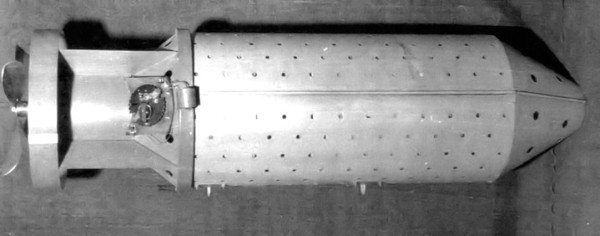
Photo by Jack Couffer, University of Texas Press, 1992
Bat Bombs
During WWII, the idea of weaponizing bats was introduced and tested as a way to retaliate against the Japanese attack on Pearl Harbor. The idea (dubbed Project X-Ray) was both simple and grossly unethical: fill empty missile cases with live, sleepy bats, add some incendiary and timed fuses, and voila! You have a bat bomb.
Of course, this batty idea turned out to be just that—a fiasco that resulted in a scorched-earth end to a brand-new Air Corps base. The first official test of Project X-Ray in May of 1943 went off the rails thanks to an impromptu photo op. Following a failed test using dummy incendiaries, bats armed with live incendiaries were unsuspectingly spooked, seeking shelter in several buildings across the Carlsbad Army Air Corps Base in New Mexico. The bats detonated right there and then, and the program went up in smoke.
According to various sources, welfare of the bats used in this program—or that fact that the military was prepared to sacrifice millions of them on a mere experiment—never really came up. But fortunately, much has changed in the last 80 years to protect the welfare of all animals, bats included.
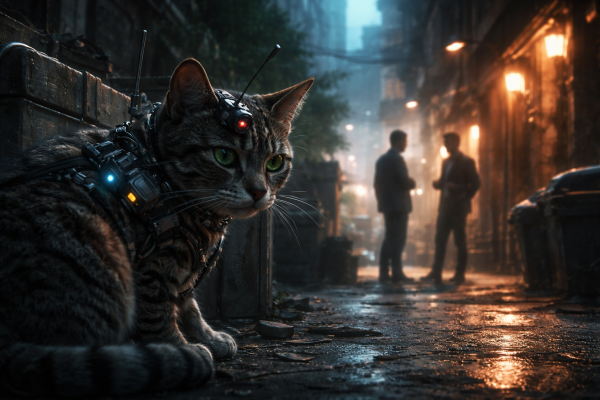
Image created by Jordan Tyler with DALL-E
Spy Cats
In the 1960s, the CIA placed a $20-million bet on feline-powered reconnaissance, specifically to spy on supposed Communist sympathizers. However, this project turned out to be no more humane or successful than bat bombs.
According to various reports, the CIA began experimenting with surgically implanting “spy gear,” like microphones and transmission wires, into cats. The idea was that cats are sneaky creatures and can nonchalantly gather intelligence without the danger of being suspected or discovered. As insane as it sounds, the agency went on to invest five years and $20 million into the endeavor, first testing on dummies before working with real-life cat subjects.
If any of you own or have ever owned a cat, you can probably predict where this is going. Despite being equipped with spyware, the cat was still a cat, with wonderfully finicky feline qualities. Agents working on the project reported it was difficult to manage the spy cat, that it had “hunger issues,” and was easily distracted. Who could have possibly predicted this?!
Nevertheless, the cat was taken on its first test mission… and never came back. As the story goes, the van door opened, the cat took off across the street, only to be promptly and fatally hit by a car before ever “reaching the target.” And thus, Project Acoustic Kitty spied its last cat.
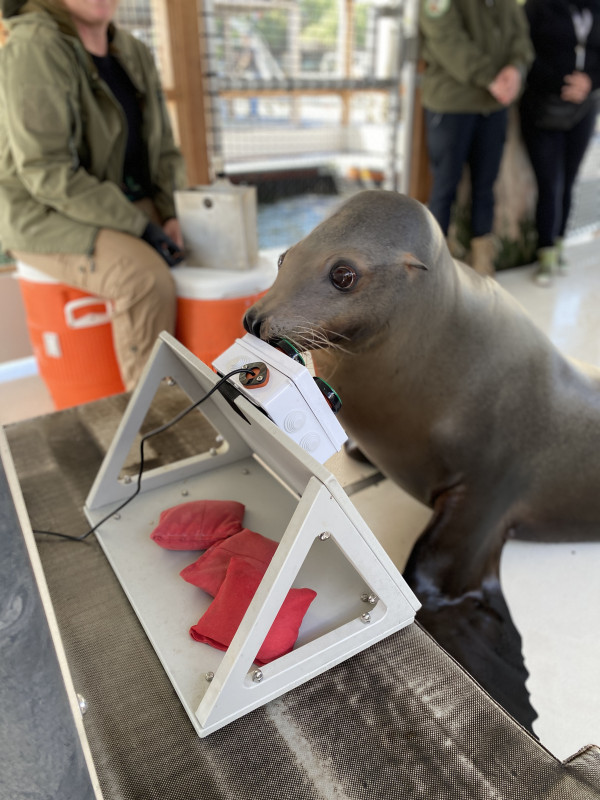
Photo by Jaime Ciciora
From Weapons to Welfare
Yes, all of that really did happen, and it’s a powerful testament to how far we’ve come as a society in terms of animal rights, ethics, and welfare. While we’ve moved away from strapping incendiary devices to bats or creating cyborg cat spies these days (and rightfully so), animals continue to play vital roles in various types of military operations, but with much better protections, intentions, and safeguards to ensure these animals are well-cared for.
The Marine Mammal Program is a fabulous example of the well-intentioned, mindful, and responsibly executed use of animals in intelligence, surveillance, and reconnaissance. The program was born in 1959, when the US Navy began training marine creatures “to detect, locate, mark, and recover objects in harbors, coastal areas, and at depth in the open sea.” Today, they rely on the bottlenose dolphin and California sea lion species for these important jobs.
Another great example of ethical animal employment is APOPO’s HeroRATS program. While not affiliated with any military, this nonprofit organization employs African giant pouched rats to do things like detect landmines, screen samples for tuberculosis, support search-and-rescue missions, and even uncover the remains of trafficked wildlife. Dogs can also be trained to perform these tasks, but rats offer a unique benefit; their small size and weight mean they can navigate very spaces and detect landmines safely, without risk of setting them off.
These programs not only benefit public health, safety, and the protection of endangered or highly trafficked species, but they also contribute to the public domain of modern animal research. According to the Navy, more than 1,200 scientific publications advancing our understanding of dolphin and sea lion health, physiology, behavior and nutrition have been supported by the Marine Mammal Program. Similarly, APOPO is leveraging the data collected through its detection programs to uncover additional applications in which the natural instincts and strong suits of rats can be leveraged “to make communities safer and protect our planet’s natural resources.”
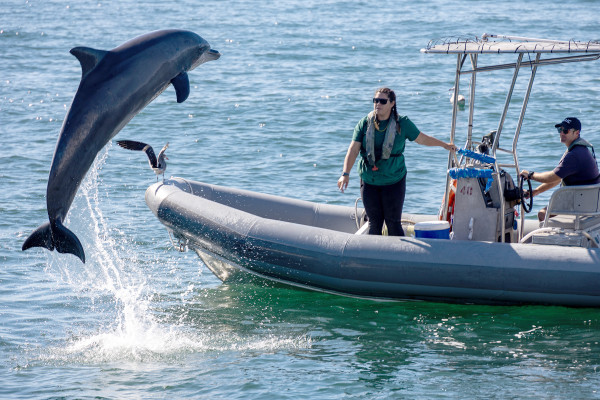
Photo by Lance Cpl. Hannah Hollerud
Even Better Intentions
Over time, our relationship with animals has shifted from tools of convenience to companions deserving ethical care, consideration, and respect. The rise of animal welfare protections, advances in behavioral science, and the normalization of companion animals as members of the family have all reshaped how we think about leveraging animals’ natural abilities for our collective benefit.
Initiatives like the Marine Mammal Program and APOPO’s HeroRATS program are striking this new balance. Rather than trying to override or reprogram animals’ natural instincts, they play to their strengths. They recognize what certain species do exceptionally well and build systems and programs that protect the animal while benefiting public health, safety, and scientific understanding.
This intersection of curiosity, ethics, and science is where BSM Partners’ expertise shines. With the recent addition of Dr. Jen Parsons to our team, we’ll continue exploring the curious, unexpected, and often unbelievable ways animals contribute to human and environmental health—as long as programs are designed with intention and care. As a zoological nutritionist with extensive experience working with wildlife under human care, Dr. Parsons brings both deep expertise and an appreciation for the responsibility that comes with it.
And no, we’re not done talking about rats. Stay tuned for a future episode of Barking Mad, in which we’ll take an even closer look at APOPO’s HeroRATS program.
Follow us on LinkedIn for the latest updates on all things happening here at BSM Partners.
About the Author
Jordan Tyler is the Director of Media at BSM Partners and co-host of the Barking Mad podcast. She has more than seven years of experience reporting on trends, best practices and developments in the North American pet nutrition industry. Jordan resides in Bentonville, Arkansas, with her husband and their three furry family members.
This content is the property of BSM Partners. Reproduction or retransmission or repurposing of any portion of this content is expressly prohibited without the approval of BSM Partners and is governed by the terms and conditions explained here.