Small Mammals, Shared Joy: The Stoats that Unite the Games
The tenacity. The heart. The tears, not only coming from the faces of the athletes and their families, but from mine, as well.
If you’re like me, you’ve taken a personal interest in the Olympic Games and the stories behind them. There’s something about this six- to seven-week span bringing together countries, cultures, and people from all over that gives you that everything-is-going-to-be-alright kind of feeling, making it so much more than just a game. It’s a sense of community, unity, shared celebration, and shared joy.
Now, a lot of the atmosphere this year—and in the past—has come from the athletes and their stories, first and foremost. But since 1972, there’s been another special factor contributing to the magic: the mascots.
It all began with the first official mascot, a dachshund, and over the years, many more animals have made their debut. Like Hidy and Howdy, the two polar bear mascots of the 1988 Calgary Olympic Games, or the 2002 Salt Lake City Olympic Games, which featured three animal mascots: a hare, a coyote, and a black bear, each created to rally support for the teams. Yet not all mascots have followed the traditional animal route. Others have been more unconventional, such as Wenlock and Mandeville from the 2012 London Olympic Games, whose shapes were designed to mimic the final drops of steel used to construct the Olympic stadium there.
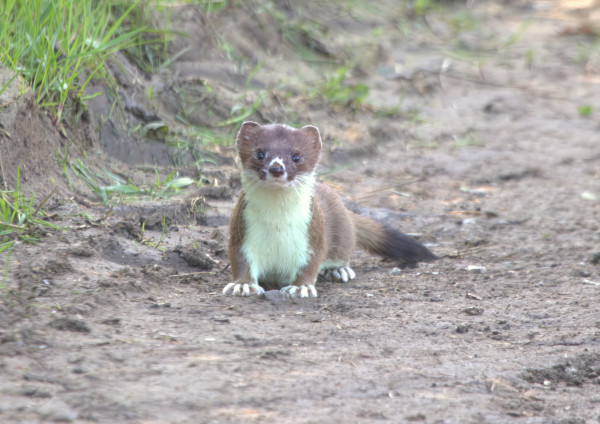
Photo by antony-robinson
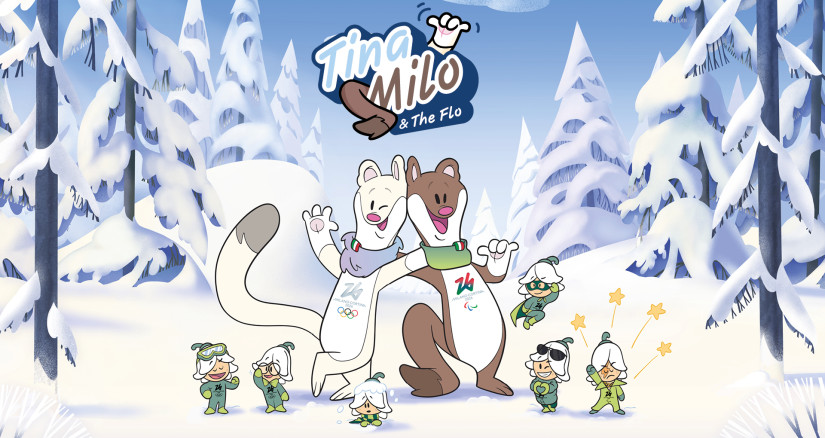
Building on this tradition, let me now introduce the official mascots of the Milano Cortina 2026 Winter Olympic and Paralympic Games: Tina and Milo, two stoats from the Italian Alps. Designed by Italian school children, they are said to “represent the contemporary, vibrant and dynamic Italian spirit,” with Tina representing the Olympic Games and Milo representing the Paralympic Games.
To better understand why Tina and Milo were chosen as mascots, it helps to know a bit about stoats. Their species belongs to the weasel family, and they inhabit the Alpine regions of Italy, Europe, and parts of North America and Asia. They are curious by nature and resilient in adapting to varying climates. They change their fur color seasonally, with brown in the warmer months and white in the winter. This camouflage helps them survive in snowy environments. Tina and Milo are shown in both their colors intentionally to symbolize diversity and the beauty of the mountainous environment, reminding us that they are explored and loved throughout every season. Their seasonal color change has also helped raise awareness of the impact of climate change, as it is directly tied to shifts in the environment, and its timing is crucial for their survival.
Tina and Milo can be seen alongside their “second-tier” mascots, coined “the Flo.” The Flo includes a group of six snowdrop flowers, each with their own name and look. These flowers help further build the team spirit of the Olympics, and they unite all through their love for the outdoors. Together, these mascots help represent the host cities’ culture, geography, and identity. All are playing an important role in welcoming participants and spectators to the games and in fostering a unifying, encouraging relationship with the public.
Even if you weren’t familiar with these stoats before, you probably spotted them on the podium during the medal ceremonies. Alongside their medals, winning athletes are given plush versions of Tina and Milo, helping further bring these mascots to life right in the middle of the celebration.
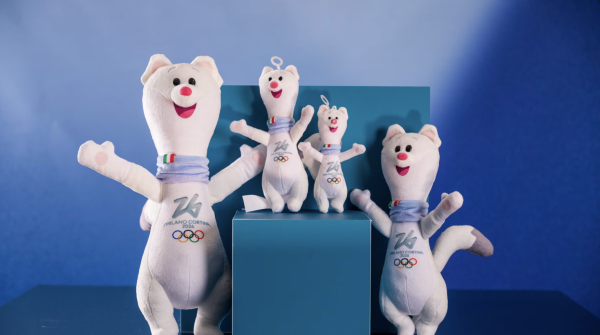
Photo courtesy of the International Olympic Committee
Not only are these plush toys an exciting accessory to the Olympic medal, but according to an article by the Sports Business Journal, reporters have been quoted as saying these plush toys have become one of the “most prized” possessions of the games, with obtaining one being likened to “a sport in itself.” Another article even referred to them as “the Olympic item as rare as the medal itself,” as stores have been sold out of these collectibles since the first days of the Games. While they are available for purchase outside of winning a medal, they are increasingly hard to find. A worker at a local megastore told NBC News, “…We volunteers are already fighting over the ones left on display in the showcase.”
More than just souvenirs, these mascots have become an important part of the Games experience, adding joy, excitement, a bit of thrill, and a tangible connection to the celebration.
Although stoats certainly aren’t companion animals to scoop up and take home—excluding the coveted plush versions—they’re still helping create the same kind of bond many of us feel with our own pets. If you’ve ever cared for an animal, you know the unity and love they can bring. And maybe that’s why these mascots fit so perfectly into the Olympic Games this year. Because at its core, the Olympic and Paralympic Games aren’t just about the competition. They’re about heart, connection, and the shared belief that for a few weeks, the world can come together and feel a little more united.
Follow us on LinkedIn for the latest updates on all things happening here at BSM Partners.
About the Author
Anna Guilfoyle is a Product Innovation Analyst at BSM Partners. She earned her bachelor's degree in Animal Science with a minor in Pet Food Science from Kansas State University. During her undergraduate studies, Anna supported research in animal welfare and completed coursework in food safety, product development, and pet food processing. She also holds a PCQI certification in human food production.
She has internship experience in companion animal nutrition including formulation and production support across various product types. Anna enjoys blending creativity with science to support innovation within the industry. She is passionate about improving the well-being of animals and has cared for a wide range of species from companion animals to production animals.
This content is the property of BSM Partners. Reproduction or retransmission or repurposing of any portion of this content is expressly prohibited without the approval of BSM Partners and is governed by the terms and conditions explained here.