Pet Nutrition Mythbusters: Protein Edition
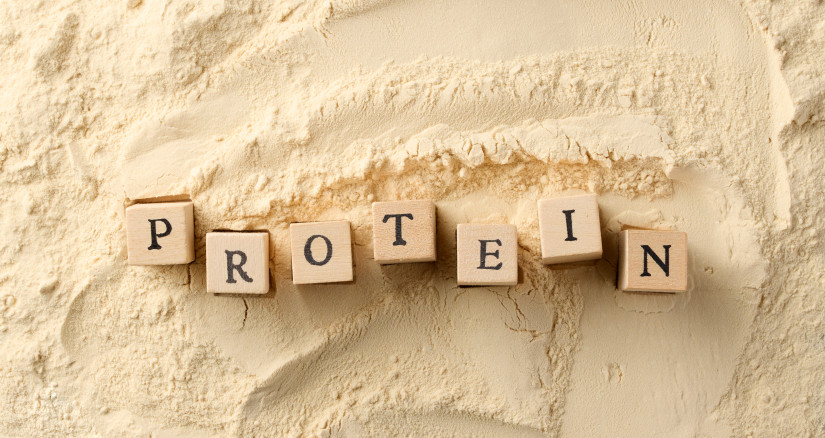
Protein has become one of the most scrutinized and misunderstood nutrients in pet nutrition particularly in marketing and consumer-facing product positioning. From “high protein” claims to ingredient misconceptions, the industry narrative is often driven more by perception than by science.
This article addresses some of the most prominent protein-related myths shaping product development, marketing tactics, and consumer expectations today.
Myth #1: Meat Meal Is Bad for Pets
Meat meal is often perceived as a low-quality and overly processed ingredient. In reality, meat meals are concentrated, nutrient-dense ingredients that play a critical role in many balanced formulations.
Meat meal is a rendered ingredient derived from animal tissues and does not include added hair, hoof, horn, hide trimmings, manure, or stomach/rumen contents, except for trace amounts that may be unavoidable under standard processing practices. This process results in a highly concentrated source of protein and minerals depending on the source material.
Meat meals are a high protein density option because, unlike fresh meat, which is largely composed of water, they deliver more protein per unit weight. They also contribute essential minerals, such as calcium and phosphorus, which are important for maintaining bone health.
While quality depends on sourcing and processing, dismissing meat meal outright overlooks its nutritional value and functional benefits.
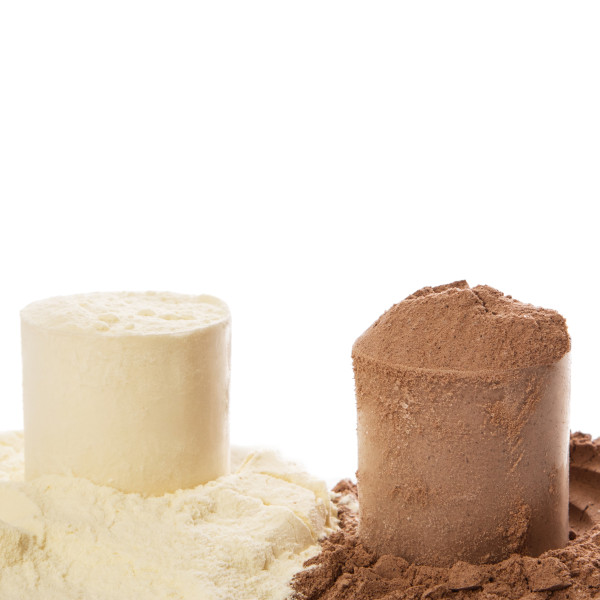
Photo by BLACKDAY
Myth #2: Dogs and Cats Should Only Eat Meat
Exclusively meat-based diets for dogs and cats are frequently framed as the ideal feeding approach; however, consuming meat alone cannot provide all the essential nutrients required for long-term health.
Meat does not provide sufficient levels of certain vitamins, minerals, fatty acids, and fiber required for complete nutrition. While meat is a key component of many pet diets, dogs have evolved to efficiently digest and utilize carbohydrates and nutrients from plant-based ingredients. Even cats, as obligate carnivores, rely on a balanced supplyof macro- and micronutrients that meat alone cannot consistently provide.
Complete and balanced nutrition requires precise formulation, not just high inclusion of a single ingredient type.
Myth #3: More Protein Is Always Better
While protein is essential, that doesn’t mean more is always better. Excessive protein intake can go beyond what pets need and may introduce unnecessary metabolic strain.
For healthy pets, protein should be evaluated in the context of total diet quality, digestibility, amino acid balance, calories, and mineral load. For pets with specific medical conditions, such as chronic kidney disease, protein and phosphorus levels may need to be managed under veterinary guidance. Highly digestible, well-balanced protein at appropriate levels can be more beneficial than excessive amounts of lower-quality protein.
Protein requirements vary by life stage, activity level, and health status. Formulation should focus on meeting requirements efficiently, not on indiscriminately maximizing inclusion.

Photo by ThamKC
Myth #4: Meat By-Products Are Inferior
By-products are often viewed as undesirable, yet this perception contrasts with the popularity of “ancestral” feeding approaches that incorporate those same parts of the animal.
Importantly, by-products are clearly defined by AAFCO and consist of specific animal tissues, not undesirable or extraneous materials. When sourced responsibly, by-products support both nutritional quality and sustainability by reducing food waste.
Many by-product ingredients may include nutrient-rich tissues such as organs, which provide concentrated sources of essential nutrients. They are rich in key minerals and vitamins such as iron, zinc, vitamin A, riboflavin, and folate. They also provide essential amino acids and contribute to overall nutrient completeness and my help contribute naturally occurring nutrients and, depending on formulation, may reduce the level of certain supplemental nutrients needed.
Myth #5: Raw Diets Are More ‘Natural’ and Therefore Better
Raw feeding is often justified by the idea that it mimics ancestral diets. However, modern raw diets rarely replicate true whole-prey consumption.
Wild diets included entire animals, organs, bones, fur or feathers, and partially digested plant matter. In contrast, most raw diets rely on a limited set of ingredients and may lack nutritional completeness. In addition, farmed meats differ from wild prey in both nutrient composition and microbial load. Domestication has also significantly altered digestion, metabolism, and nutrient requirements in dogs and cats.
Additionally, raw diets are more likely pose food safety concerns, as raw animal products can harbor disease-causing bacteria such as Salmonella and Listeria which may present risks to both pets and the humans handling the food.
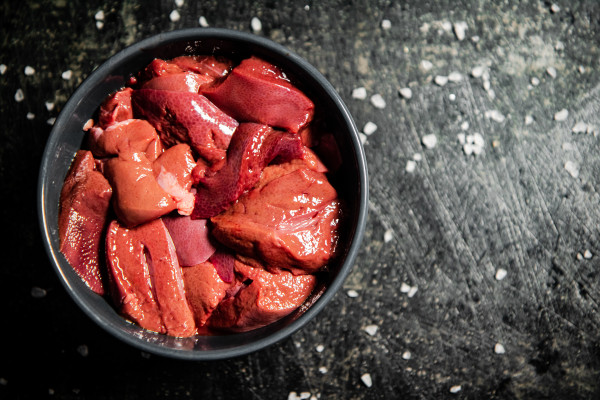
Photo by Artem ka2 v2
What Matters Most in Pet Nutrition
Amid these myths, three principles consistently define effective pet food formulation:
- Complete and balanced nutrition: delivering essential amino acids, fatty acids, vitamins, and minerals, while balancing protein, fat, fiber, energy, and other dietary components
- Ingredient quality and digestibility: using nutrient-rich, bioavailable ingredients that support overall health
- Science-backed nutrition: leveraging research to meet species-specific nutritional requirements safely and effectively
At BSM Partners, we help brands cut through nutrition misconceptions and create formulations grounded in science, not just trends. By anchoring formulation decisions in evidence-based nutrition, we help brands develop products that are both scientifically backed and strategically positioned.
Follow us on LinkedIn for the latest updates on all things happening here at BSM Partners.
About the Author
Ada-Miette Thomas is a senior analyst at BSM Partners. She received both bachelor’s and master’s degrees in food science with an emphasis on nutrition. Ada-Miette conducted research with a focus on human nutrition and studied the effects of carbohydrate sources on markers of Metabolic Syndrome in adults.
This content is the property of BSM Partners. Reproduction or retransmission or repurposing of any portion of this content is expressly prohibited without the approval of BSM Partners and is governed by the terms and conditions explained here.