Making Heads or Tails of Pet Dental Products
Dental products in the pet oral health space have grown in recent years. One research firm valued the global pet oral care market at $8.25 billion in 2024 and expects it to reach $12.7 billion by 2030, with the United States accounting for approximately 40% of the market. Up to 80% of dogs have some form of dental disease that should be addressed. The range of products available to pet parents has expanded significantly, with many options to choose from. However, it can be difficult to determine which products will work for an individual pet, given efficacy and acceptance by both the pet and the pet parent.
Understanding how pet oral care products work may help pet parents decide what approach is best for their pet. This should start with a discussion of how oral care problems begin.

Photo by davidcharouz
From Plaque to Periodontitis
Most oral problems in pets start with plaque accumulation. Plaque is a biofilm composed of oral bacteria and food components. Plaque starts to accumulate on the tooth’s surface above the gumline, and if not removed regularly, can extend below the gumline. This is where more serious oral conditions, such as gingivitis (inflammation of the gums) and periodontitis (inflammation of the supporting structures of the teeth), begin.
Over time, plaque above the gumline accumulates minerals from the pet’s saliva, hardening into tartar. This can create an environment where disease-causing bacteria flourish, exacerbating the problem. Tartar (also called calculus) is the brown or yellow accumulation that a pet parent can see on their pet’s tooth surface.
Ultimately, if left unchecked, oral disease in pets can result in pain, severe halitosis (bad breath), and tooth loss. In addition, other serious conditions affecting other bodily organs, such as the liver, kidneys, and heart, are possible with severe dental disease.
The takeaway is that preventing excess plaque and tartar buildup can go a long way toward helping your pet avoid these serious and painful consequences.
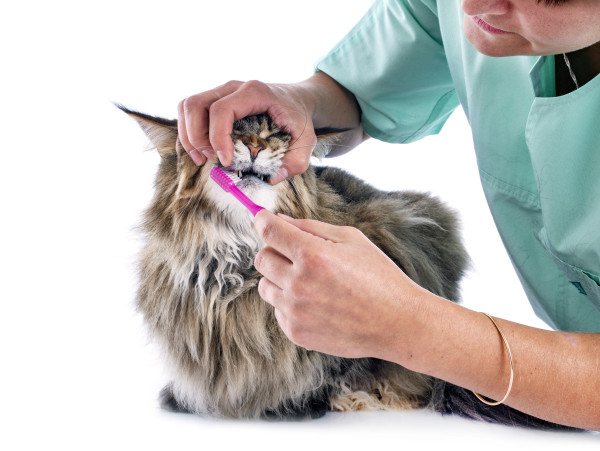
Photo by cynoclub
Building a Realistic Oral Care Routine for Pets
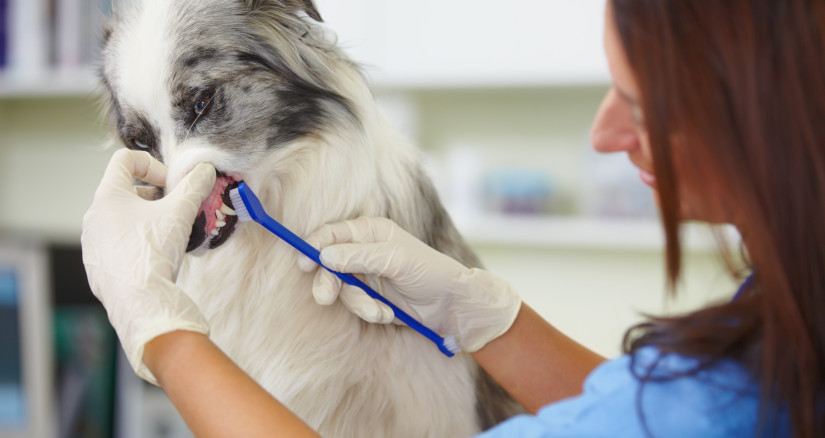
The gold standard for pet oral care is daily toothbrushing, but it is not commonly practiced for several reasons such as pet cooperation, pet parents not understanding how to actually brush their pets’ teeth and simply commiting to the time to do it. It is important to have at least one complete oral exam for pets done by their veterinarian annually, with professional cleanings done as needed. But for those days in between veterinary visits,there must be other options. The good news is that the Veterinary Oral Health Council (VOHC) provides lists of tested and proven products for pet owners to choose from.
Dental Diets
Dental diets are one option, and can be a stress-free way to support any pet’s oral health. Dental diets come in two basic categories. The first is described as a “mechanical” action diet. Mechanical action kibble diets typically use larger kibble pieces with an open or aerated surface. The texture of the kibble is such that when a pet bites into the kibble, it doesn’t just shatter and fall apart. The pet’s tooth can actually penetrate the surface of the kibble before it breaks, providing a “scrubbing” action on the tooth’s surface that helps to reduce plaque accumulation.
Another way pet dental diets can help is by being formulated with ingredients that reduce plaque and tartar buildup. Certain ingredients called polyphosphates, which include sodium hexametaphosphate and sodium tripolyphosphate, have been proven to help reduce tartar accumulation by helping to bind the minerals in the pet’s saliva to keep them from adhering to plaque to form tartar. Additionally, certain forms of vitamin C have been shown to help reduce plaque buildup when applied to kibble, which ultimately helps slow the progression of dental problems.
Dental Chews
Using a similar mechanism of action as some dental diets, dental chews can be another option for pet parents. Dental chews can provide a texture that is chewy and tough enough to help reduce plaque and tartar on the pet’s tooth surface as they chew, but not so hard that a pet may risk injuring their teeth or gums.
Similar to dental diets, the VOHC provides a complete list of dog dental chews and cat treats that have been proven to help reduce plaque and tartar through mechanical action as pets chew them.
It is important to always supervise your pet when giving a dental chew or treat, as some pets may not chew them properly and may gulp them, which can cause gastrointestinal problems. If a dog tends to be a “gulper,” then dental chews may not a good option for them.
One big advantage of giving dental chews and treats to pets is that they can also provide a great bonding experience between the pet and the owner, and daily compliance is high. Who doesn’t like to treat their pets, and what pet doesn’t like to get treats? It is also important to remember as a general guideline treats shouldn’t make up more than 10% of a pet’s daily calories unless those treats are formulated to be complete and balanced. In those cases the main meal diet can be adjusted to account for added treat calories.
Food Toppers & Water Additives
Similar to dental diets that contain ingredients to help control plaque and tartar, powder-based food toppers are becoming more prevalent for pet parents to choose from. Some of these products contain the same polyphosphate ingredients as some dental diets, as mentioned above.
In addition, a specific species of sea kelp, Ascophylum nodosum, when added to dental powders, can help control plaque and tartar. The exact mechanism of action of the novel ingredient isn’t fully understood, but it is believed to alter the composition of the plaque biofilm and support the local immune system in the pet’s mouth, benefiting oral health.
For pet parents who want to add something to their pet’s daily routine that they can mix into their water, there are pet water additive products that contain oral antiseptics that can help lower the incidence of plaque-causing bacteria in the pet’s mouth. This can ultimately help reduce overall plaque accumulation, as well.
There are many other pet dental products available, but these are the most common categories, and a brief overview of how they work.
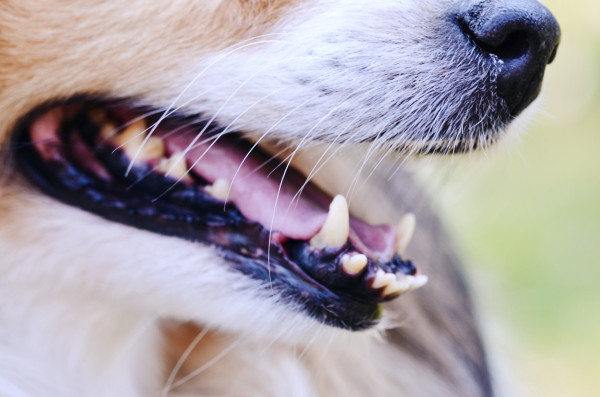
Photo by lindaze
Why Veterinary Guidance and Proven Claims Matter
No matter which oral care products a pet parent uses, nothing replaces annual veterinary visits and exams. If you have questions about choosing daily home oral care products for your pets, the VOHC Accepted Products list is a great place to start. Another recommendation is to ask your veterinarian, or contact the brand you’re curious about to confirm whether they have conducted clinical efficacy studies demonstrating that their products work and their claims are substantiated.
Efficacious and safe pet dental products are developed by pet industry scientists and veterinarians, such as those at BSM Partners. These are experts who have decades of experience and understand how dental disease occurs and how to safely and effectively develop products that help to improve our pets' lives.
Follow us on LinkedIn for the latest updates on all things happening here at BSM Partners.
About the Author
Dr. Bradley Quest, DVM, is the Principal Veterinarian at BSM Partners. Dr. Quest is a leading innovator in the pet dental health products, having several decades of experience formulating in this category. He has practiced clinical veterinary medicine, developed and tested hundreds of pet food and health products, performs extensive animal health research, and helps navigate pet food ingredient approval for clients.
This content is the property of BSM Partners. Reproduction or retransmission or repurposing of any portion of this content is expressly prohibited without the approval of BSM Partners and is governed by the terms and conditions explained here.