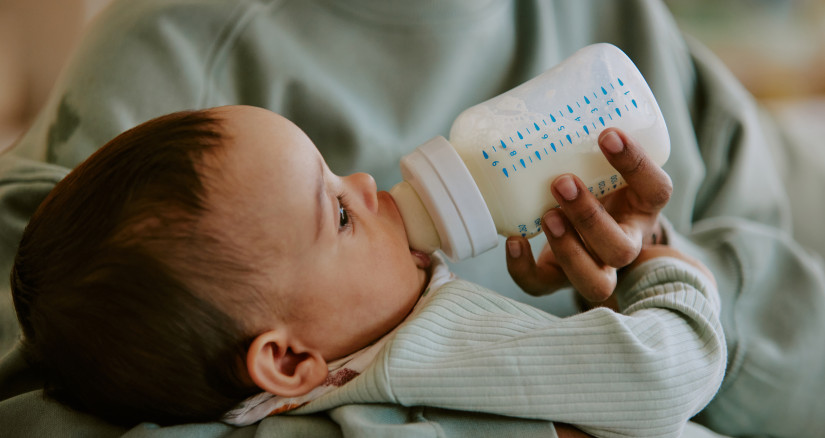
Humanizing Pet Food: What the Bloomberg Infant Formula Report Teaches Us
WARNING ⚠️ CONTENTS ARE HOT AND MAY PROVOKE THOUGHTS (AND OCCASIONAL GROWLING)
Most professionals in human nutrition eventually defect to the pet food industry. Why? Maybe it’s the cuddly “coworkers." Maybe it’s the recession-proof billion-dollar glow. Or maybe, frankly, it just seems like an easier path than dealing with the FDA’s feelings on toddler snacks.
But I pulled a "salmon" and swam upstream. I went from formulating complete and balanced kibble to innovating in the high-stakes, low-sleep world of baby formula. The lessons I learned there still haunt me, which is why every time there’s a baby food recall, I’m drawn to the news like a fly to… well, digested formula.
The recent Bloomberg investigation into ByHeart, the disruptor infant formula brand that promised EU-style "clean" standards, is more than a cautionary tale for parents. It’s a vibrating, red-alert alarm for the whole pet food industry.
ByHeart marketed itself as the premium savior, leaning on the promise to "mimic nature" (breast milk) more closely than the legacy "Big Formula" brands. But that drive for complexity came with a steep price: recalls, cross-contamination risks, and the realization that their innovation might have outpaced their actual plumbing.
In our world, we call this humanization. But let’s be honest: Are we following the infant formula industry into a premiumization trap, where the labels look like a Michelin-star menu, but the safety profile is a high-stakes guessing game?
The Allure of Biologically Appropriate
Both baby formula and pet food are fueled by the same emotional engine: The "I-Don't-Want-To-Fail-Them" guilt trip. This vulnerability creates a lucrative market for hyper-complex products that treat dogs like tiny, furry humans in pajamas.
We are seeing it everywhere:
- The "Mother’s Milk" Parallel: Just as formula brands chase the similarities of breast milk, pet brands chase the ancestral diet, satisfying a marketing narrative that your Yorkie is essentially a wolf in a cashmere sweater.
- Functional Overload: We’re adding botanicals and superfoods faster than we can pronounce them. If your dog’s dinner has more ingredients than your own post-workout green smoothie, we may have a problem.
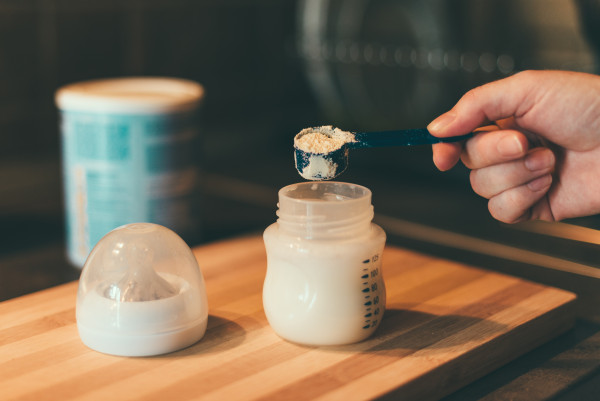
Photo by stevenovicigor
The Risk of the "Add" Button
Here is the uncomfortable truth: Every added ingredient is a new point of entry for disaster. In the quest to justify a 50% price markup, brands are loading recipes with buzzword ingredients. However, the more complex the formula, the higher the likelihood of:
- Supply Chain Roulette: More raw materials mean more opportunities for pathogens to enter. You’re only as premium as your weakest link.
- Nutrient Imbalance: We are seeing hyper-specific diets pop up like mushrooms on a warm spring day. Without rigorous, long-term testing, we don’t actually know how that novel functional ingredient interacts with a Frenchie’s heart medication. Yikes!
- The DTC Blind Spot: Direct-to-Consumer (DTC) brands often claim testing and transparency, but unless a subscription service has been signed up for, how often is a regulator confirming verification? A slick Instagram ad and clever marketing aren't substitutes for a robust Quality Assurance department.
Innovation Without the Second Mortgage
We’ve reached a point where premium pet food is becoming a luxury service. While we all want the best for our four-legged, furry babies, we have to ask: Is this innovation, or just an expensive facade?
True innovation shouldn't require a second mortgage or a leap of faith in safety. Label candy is not the Trojan horse to winning the shelf-space war.
Questions we need to ask at the R&D table:
- Are we adding this kale because it helps the dog, or because it helps the Instagram engagement?
- Do we actually have the tech to test these super-premium interactions at scale, or are we just hoping for the best?
- Is “mimicking nature” just a polite way of saying “untested complexity?”

Photo by Svitlini
The Bottom Line
The baby formula crisis of 2022 showed us what happens when a premium pedestal collapses. After a few futile attempts to purchase enough formula during the shortage and despite the warnings, some parents desperately turned to making formula. Anyone else seeing the parallel? The pet food industry has a chance to learn before we face our own systemic failure.
How can we innovate responsibly? How do we balance a consumer's emotional demand for the "best" with the scientific reality of what is actually safe? And can we do it without making owners choose between their dog'sdinner and their car payment?
Let’s stop chasing human trends and start refocusing on proven safety. Because at the end of the day, your dog doesn't care if the salmon was wild-caught; they just don’t want to get sick.
Follow us on LinkedIn for the latest updates on all things happening here at BSM Partners.
About the Author
Dr. Stephanie Clark is a board-certified companion animal nutritionist, veterinary nurse and nutrition specialist, a pet owner, and a mother who had a baby during the formula shortage. She has spent the past almost two decades dedicating her career to the welfare of pets, livestock, and wildlife. She currently provides nutritional consultations for veterinary clinics and works in the pet food industry.
This content is the property of BSM Partners. Reproduction or retransmission or repurposing of any portion of this content is expressly prohibited without the approval of BSM Partners and is governed by the terms and conditions explained here.