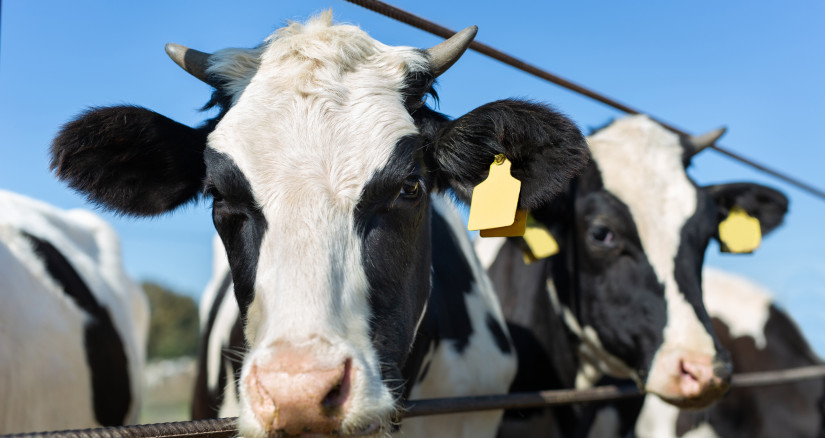
From Barn to Bowl: How AI Is Revolutionizing Dairy Nutrition and the Future of Personalized Pet Diets
Artificial intelligence (AI) has quietly changed one of the oldest sectors in animal agriculture: the dairy industry. What started with logging of milk production has evolved into sophisticated, real-time systems that monitoreverything from a cow’s rumination patterns, estrus cycles, and gait to their microbiome and nutrient utilization. The result is unprecedented precision; each cow gets exactly what it needs, exactly when it needs it.
While this transformation is already reshaping dairy herd health and sustainability, it may also offer a glimpse into the future of companion animal nutrition. The same principles that allow dairy producers to optimize diets individually may one day help veterinarians and pet food companies deliver personalized nutrition plans for dogs and cats.
Below, we explore how AI changed the dairy industry and how those innovations could one day shape the next frontier of canine and feline nutrition.
Real-Time Monitoring of Cow Health and Behavior
New dairy technologies incorporate sensors, wearable collars, rumen boluses, cameras, and automated parlor systems that continuously capture real-time biometric data on individual dairy animals. AI processes this data to identify subtle deviations in rumination, activity level, feed intake, temperature, and locomotion, often before there are visible clinical signs.
Nutritionists and herd managers can monitor these parameters, fine-tuning the animal’s diet according to metabolic status or early illness detection. The aim is not just improved health; it’s individualized optimization of each cow’s biological needs.
Precision Feeding Powered by Machine Learning
Traditional dairy nutrition was based on ration models engineered for “average cows,” similar to those seen in pet food. Yet, cows differ enormously in genetics, production stage, feed efficiency, microbiome composition,heat stress tolerance, and metabolic tendencies.
AI-driven dairy cow feeding platforms now combine several data points to inform future interventions, including:
- Milk yield and milk components
- Feed intake
- Body condition trends
- Lactation stage
- Environmental stressors
- Rumen fermentation data
- Past health events
Machine-learning models, one of many “branches of AI,” now integrate intake data, milk yield, behavior, and metabolic indicators to estimate cow-specific energy, protein, fiber, and micronutrient requirements on a daily basis rather than relying on herd-average formulations, reducing the risk of metabolic disorders such as ketosis and rumen acidosis while improving feed efficiency and animal well-being.
Automated Delivery Systems That Adapt on the Fly
Modern dairy operations achieve individualized nutrition through a combination of automation, animal identification, and controlled access, rather than by creating entirely separate diets from scratch for every cow.
In most systems, AI-driven software continuously analyzes real-time data from activity monitors, rumination collars, milk yield sensors, temperature probes, and feeding behavior trackers. When the system detects early indicators of change, it flags the animal and triggers a predefined nutritional response.
Importantly, individual cows do not consume each other’s customized rations because access is tightly controlled. RFID-based identification ensures that:
- Only the intended cow receives her allocated feed
- Feed delivery occurs in physically separated locations (robot stalls or gated feeders)
- Intake is tracked and verified at the individual level
In this model, humans remain essential, but their role has shifted. Nutritionists and farm managers design the response rules in advance: defining which dietary adjustments are triggered by specific physiological or behavioral changes, setting safety limits, and periodically refining algorithms based on outcomes. The system executes those decisions at speed and scale, far beyond what manual feeding could accomplish.
This hybrid approach, human-designed nutritional logic executed by automated systems, is what makes real-time, individualized feeding both practical and scalable. Rather than replacing expertise, automation amplifies it, delivering targeted nutritional interventions exactly when and where they are needed.
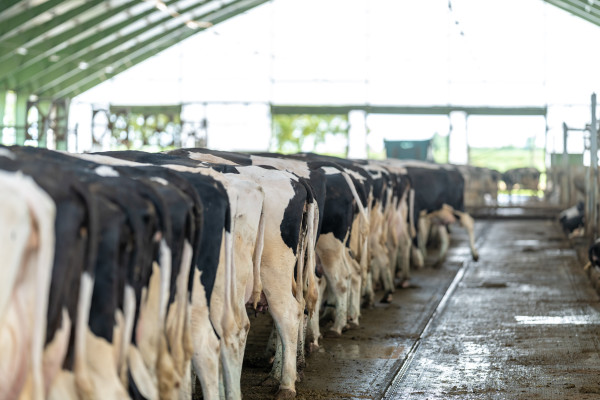
Photo by Edovideo
Microbiome-Driven Nutrition
Researchers have begun training AI models to interpret metagenomic data from the rumen microbiome of a cow. These early results suggest that a cow's individual microbiome composition can be used to forecast feed efficiency, methane production, and even susceptibility to certain diseases.
This microbiome-informed feeding is fast emerging as one of the most promising areas of precision in dairy science, leading to diets tailored not just to the animal, but to their internal ecosystems.
How These Advances Could Shape Personalized Dog and Cat Nutrition
While the dairy industry benefits from continuous data streams and controlled feeding environments, many of the underlying principles translate to companion animal nutrition. We are already starting to see the early stages of this shift.
Wearables and Home Monitoring Will Unlock Pet-Specific Data
Just as behavior collars transformed dairy herd management, smart collars, activity trackers, automated feeders, and litter-box monitors are generating individualized datasets for pets.
These tools can track:
- Activity level and energy expenditure
- Resting heart rate and heart rate variability (HRV)
- Food intake and feeding patterns
- Weight trends
- Restlessness or anxiety indicators
- Litter box frequency (for cats)
With the help of veterinarians and nutritionists, AI will eventually integrate this information into real-time, personalized nutritional recommendations.
AI Can Replace “Life Stage Feeding” With True Individual Feeding
Today’s pet-food guidelines rely on broad categories: growth, adult maintenance, lactation, and pregnancy. But two adult cats, even the exact same age, can vary dramatically in caloric needs, protein metabolism, and gastrointestinal (GI) microbiome composition.
Imagine a future in which a dog’s feeder dispenses more Omega-3 fatty acids after a spike in inflammatory markers detected a wearable tracker, or a cat’s diet shifts toward higher fiber as the litterbox communicates reduced fecal output for the day. What if weight-management feeding plans could adapt dynamically based on daily activity levels rather than static feeding guides?
Each of these scenarios is possible when powered by AI, but not without the support of professional nutritionists, formulators, and other animal scientists, as well.
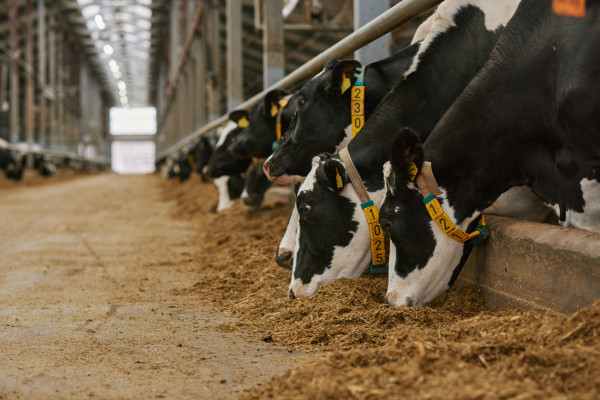
Photo by AnnaStills
Microbiome Profiling Will Guide Targeted Interventions
Just as dairy cows are benefiting from microbiome-informed rations, companion animals will, too. Companies are already sequencing pet microbiomes, but AI will elevate this from descriptive data to predictive, nutrition-driven actions. This includes identifying dogs who need higher fermentable fiber, predicting which cats will respond best to certain probiotic strains, or even detecting early dysbiosis that predicts diarrhea, obesity, or dermatologic flare-ups.
Formulation Has the Potential to Become Dynamic, Not Static
Dairy nutritionists now work with algorithms that adjust diets based on performance and physiological feedback loops. Pet food may eventually adopt a similar approach, with diets that change not every decade with a reformulation, but continuously based on population-level AI insights and individual pet data.
A Future Where Every Pet Has a Personalized Nutrition Plan
The dairy industry proves that individualized nutrition is not only possible but also practical, scalable, and beneficial to both health and productivity.
For companion animals, this technology could help improve weight management success rates, reduce chronic GI issues, identify early disease risks, tailor diets to genetic or metabolic tendencies, and enhance longevity, to name a few. The key is integrating multiple data streams—behavior, physiology, feeding patterns, microbiome, and environment—into AI platforms capable of delivering product recommendations or real-time feeding adjustments.
However, this future does not eliminate the need for pet food formulators or animal scientists. In fact, it makes their role more critical than ever.
AI can identify patterns, correlations, and predictive trends, but it cannot determine biological appropriateness, nutrient safety, or physiological trade-offs without expert human guidance. In this emerging landscape, AI becomes a powerful decision-support tool, not a replacement for expertise. The future of personalized pet nutrition will be built at the intersection of data science, animal biology, and formulation expertise, where technology enhances human insight rather than replacing it.
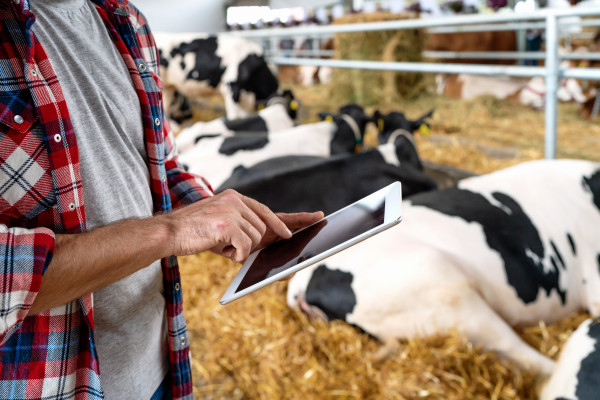
Photo by igbarilo
The Barn Becomes a Crystal Ball
AI has transformed dairy science from a herd-level discipline to an individualized health engine. Every cow becomes a “data ecosystem” and nutrition is no longer static but dynamic, predictive, and deeply personalized.
When this technology evolves and matures, it will have the potential to greatly influence the future of animal nutrition as a whole, including pet nutrition. AI systems that fine-tune protein intake for a high-producing Holstein cow may one day be useful in optimizing Omega-3 fatty acid intake for an arthritic Labrador, or adjusting phosphorus for a senior cat, long before clinical signs appear.
The dairy industry has demonstrated what can be possible, and companion animal nutrition is on deck. BSM Partners is dedicated to developing this future, uniting cutting-edge science, practical innovation, transformative technology, and unprecedented subject-matter expertise to the next generation of personalized nutrition for dogs and cats.
Sources & Further Reading
For readers interested in exploring how AI is already transforming the dairy industry, the following resources provide excellent overviews and real-world examples:
- University of Wisconsin Extension: AI and precision livestock farming tools in dairy systems
- Penn State Extension: Dairy farm transformation through sensor technology and decision-support systems
- DairyReporter: How AI is revolutionizing dairy farming
- Dairy Herd: AI on dairies is coming in hot
- Dairy Foods: Artificial intelligence shapes the future of food
Follow us on LinkedIn for the latest updates on all things happening here at BSM Partners.
About the Author
Dr. Katy Miller works as the Director of Veterinary Services at BSM Partners. She earned her veterinary degree at Ross University and completed her clinical year at Louisiana State University. She previously served for 11 years as the Director of Dog and Cat Health and Nutrition for Mud Bay where she earned multiple certifications and specialized in pet food nutrition, prior to which she practiced general and emergency medicine for seven years. She is also a competitive three-day eventer, licensed falconer, and claims only two (Golden and Mini Doxie) of their nine dogs.
This content is the property of BSM Partners. Reproduction or retransmission or repurposing of any portion of this content is expressly prohibited without the approval of BSM Partners and is governed by the terms and conditions explained here.