
Congress Casting Votes on MAWS Act: What This Means for Pet Food Producers
If you’ve been following along, you’ll know the conversation around invasive species in pet food has been rippling out. A handful of brands, such as Archway Pet, Pezzi Pets, and Polkadog, have already recognized the ecological value of using various invasive marine species specifically as protein sources for pet food. Supply is abundant—hence their invasiveness—but without consistent demand, neither suppliers nor brands have been able to put a significant dent in many of these invasive populations. This includes the Chesapeake Bay’s invasive blue catfish population.
One recent piece of legislation, however, is casting a new path forward.
The MAWS Act
The Mitigation Action and Waterman Support (MAWS) Act has been in committee since its introduction in July 2025, but came to a House vote on March 17, where it was approved and passed to the Senate. This development was applauded by the Pet Food Institute, of which newly appointed President and CEO Elise Fennig urged the Senate to “act swiftly” to pass the act.
If passed by the Senate and signed by the President, the bill would allow the National Oceanic and Atmospheric Administration (NOAA) to establish a three-year federal pilot program with roughly $2 million in funding to develop supply chains for invasive blue catfish to be incorporated into pet food and animal feed.
Funding would be used to offer grants to pet food and animal feed companies interested in using blue catfish in their formulations, to support more consistent demand for blue catfish for Chesapeake Bay-area watermen (the local term for people who fish for a living), and to explore blue catfish as a novel, sustainable protein source for use in livestock and aquaculture feed as well as companion animal nutrition.
The blue catfish problem is twofold—ecological and economic—and the MAWS Act aims to address both.

Image by Firos nv
Diving Deeper
Invasive species are so destructive because they fundamentally alter natural ecosystems. There are several examples currently wreaking havoc across the Caribbean, like lionfish and armored catfish, and even Asian carp (also known as Silver copi) along the Mississippi River. Many invasive species, including the blue catfish, were introduced to control other marine populations or for recreational fishing. However, their populations unexpectedly exploded, causing more problems than they solved.
The blue catfish is, for better or worse, a prime example. They have insatiable appetites, often consuming species that are important to those ecosystems, thereby disrupting the natural balance. This ecological damage ultimately causes economic harm. In many cases, people who used to make a living from fishing can no longer do so, harming both local communities and broader conservation efforts.
While commercial efforts to incorporate invasive species into animal feed remain critically important, current demand for invasive species remains very low, and even when there’s a spike, it’s unpredictable. This new legislation could be an effective way to establish more stable markets for blue catfish and other invasives.
The Hook
Protein is a central tenet of nutrition, for us and our pets, but future demand is set to outpace our available supply. This has spurred the exploration of novel protein sources across human and animal food, including plant-based proteins, cell-cultivated or fermented proteins, and protein from sources we typically wouldn’t consider before, like insects and invasive species.
However, demand for novel proteins remains relatively low due to a couple of factors.
First, novel proteins are novel, meaning consumers are less familiar with them. This requires coordinated consumer education across industries to provide clarity and establish trust. Research is a powerful lever to pull here; if more brands working with invasive species conducted research into their safety and nutritional value, consumers would likely feel better about feeding them to their pets (and eating them themselves).
Secondly, novel proteins are typically more expensive than our traditional chicken and beef proteins, largely because their supply chains are in their infancy. Only when a robust supply is established will prices for novel proteins, like invasive species, come down to more competitive levels than those of traditional protein sources.
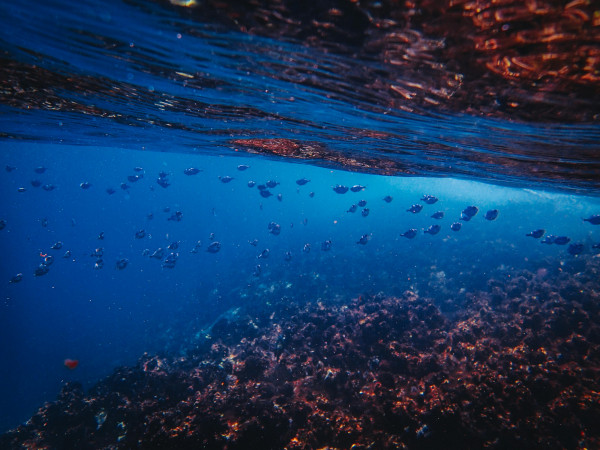
Image by Francesco Ungaro
The MAWS Act, as it currently stands, could very well help address both sides of the blue catfish problem. In practice, it could support Chesapeake Bay watermen while reducing ecological strain and, if successful, could serve as a framework for adopting other invasive species or novel proteins in the animal food sector.
However, as with any pilot program, long-term success will depend on sustained demand, the establishment of robust, resilient supply chains, and clarity regarding the safety and nutritional value of these fish. If the MAWS Act can achieve all three, it could turn a promising concept into a durable market solution.
Keep up with the latest legislative and regulatory developments, trends, innovations, and challenges facing the global pet care market by following BSM Partners’ thought leadership on LinkedIn, on our website, and subscribing to the Barking Mad podcast, where we seek to break down complex pet care topics into easily digestible, actionable advice for pet parents.
Follow us on LinkedIn for the latest updates on all things happening here at BSM Partners.
About the Author
Jordan Tyler is the Director of Media at BSM Partners and co-host of the Barking Mad podcast. She has more than seven years of experience reporting on trends, best practices and developments in the North American pet nutrition industry. Jordan resides in Bentonville, Arkansas, with her husband and their three furry family members.
This content is the property of BSM Partners. Reproduction or retransmission or repurposing of any portion of this content is expressly prohibited without the approval of BSM Partners and is governed by the terms and conditions explained here.