
Are Movies Going to the Dogs? Humanization and the First Canine Recipient of an Astra Award
Film awards season is upon us again, and with it come all the celebrities, fancy (if not sometimes outrageous) clothing, and celebrations of some of our favorite films from 2025. There’s always a lot of dramathis time of year, but the biggest movie news might have already happened at the Astra Awards a few weeks ago. For the first time in film history, a dog won an award typically reserved for humans.
Indy, a Nova Scotia Duck Tolling retriever, starred in the horror film Good Boy, released in October 2025. The movie almost exclusively takes place from the dog’s point of view, making Indy, the director’s dog,the leading actor. The film has already generated significant buzz, including from PETA, which gave the movie its own award. It appears the acclaim hasn’t stopped for Good Boy, though, as this latest story shows.
Despite Indy being absolutely adorable, reactions to his big win have been mixed. Some people think it was a fun way to recognize a unique film and a cute dog, but others are outraged and embarrassed on behalf of the human actors who lost to a canine. While I’m Team Indy on this one, I do think this brings up some interesting conversations about humanization.

Photo courtesy of Ben Leonberg
The award went to Indy, yes, but he doesn’t even know he was in a movie. The award was clearly for the benefit and enjoyment of the audience and the people who worked on the film. We’ve seen other instances of this kind of humanization, like when pet food companies hire pets to cute roles like “Chief Barketing Officer ” or “Pawduct Development Manager.” People have mixed feelings about humanization, but it’s generally agreed upon that things like this are harmless. The real problems arise when we apply this kind of humanization to our pets’ health and nutrition.
Sometimes humanization can benefit a pet’s health, such as focusing more on pet dental care or including more functional ingredients in food and supplements. But there are times when humanization can be unnecessary or even harmful to an animal’s health. For example, when we start applying weight-loss techniques like intermittent fasting and GLP-1s to pets.
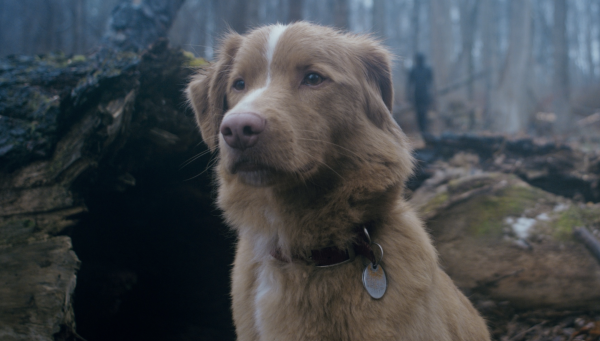
Photo courtesy of Ben Leonberg
As we say a lot at BSM Partners, pets aren’t small people. Not everything that’s good for us is going to be good for them. It’s important to evaluate whether a new trend or product is beneficial for a pet, or whether it exists solely to be convenient or aesthetic for the pet owner.
At BSM Partners, we care about what products we give to our pets. Trendiness shouldn’t be the framework by which food is formulated; science is. As adorable as a dog with a shiny trophy is, it’s important to remember what’s helpful for a pet and what can be useless or even harmful for them.
And if you’re looking to learn more about humanization, make sure to tune into Barking Mad’s latest episode, where we dive into the wild world of luxury pet products!
Follow us on LinkedIn for the latest updates on all things happening here at BSM Partners.
About the Author
Cady Wolf is an Analyst at BSM Partners. She graduated magna cum laude with a degree in English from Brigham Young University-Idaho, and she currently lives in Rexburg, Idaho with her husband, their two cats, and pet tortoise. She loves animals and learning about how to help pet brands and pet parents alike.
This content is the property of BSM Partners. Reproduction or retransmission or repurposing of any portion of this content is expressly prohibited without the approval of BSM Partners and is governed by the terms and conditions explained here.